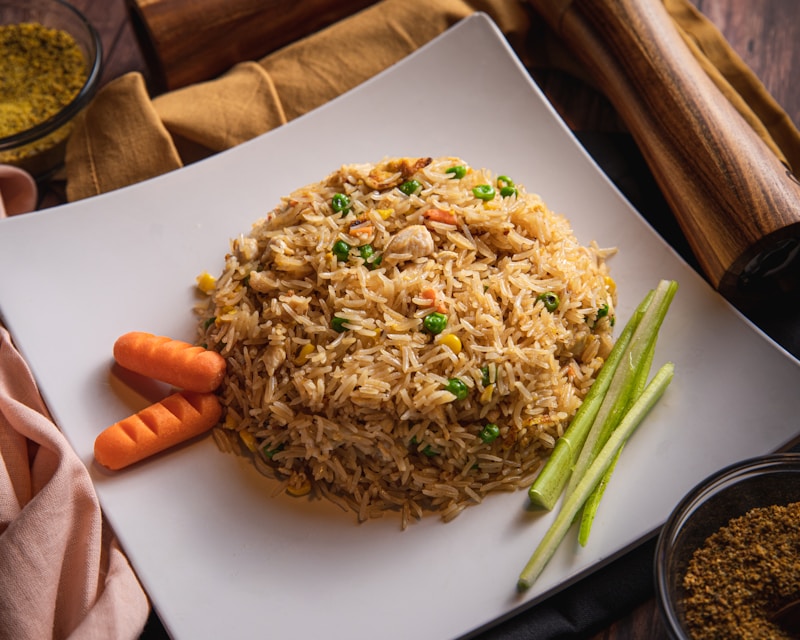
Tonkotsu Ramen Authentic
Rich, creamy pork bone broth ramen with thin noodles, chashu, marinated egg, bamboo shoots, and black garlic oil. Deep savory flavor.
Ingredients
- •500 g Pork bones
- •1 teaspoon Salt
- •300 g Pork belly
- •0.5 teaspoon Black pepper
- •400 g Ramen noodles
- •960 ml Pork broth
- •2 tablespoons Vegetable oil
- •4 cloves Garlic
- •4 pcs Soft boiled eggs
- •1 medium Onion
- •4 stalks Green onions
- •4 sheets Nori sheets
- •60 ml Soy sauce
- •2 inch Ginger
Instructions
- 1
Prepare the pork bones: combine 3 lbs pork bones (feet, hocks, and back bones work best), 1 whole pork belly (reserved for chashu), and 1 chicken carcass in a large stockpot. Cover with cold water and bring to a vigorous boil. Boil aggressively for 10 minutesâ€â€ÂÂÂÂÂÂÂÂthis creates the foamy scum that gives ramen its muddy color. Drain and rinse bones thoroughly.
💡 Starting with cold water extracts more collagen and creates cloudier broth. The aggressive boil emulsifies fat into the liquidâ€â€ÂÂÂÂÂÂÂÂthat's what creates the creamy, opaque tonkotsu character.
- 2
Return cleaned bones to the pot. Add 8 cups water, 1 onion halved, 4 green onions, 3 inches ginger sliced, 8 garlic cloves, and a handful of aromatics. Bring to a rolling boil and maintain it for 12-18 hoursâ€â€ÂÂÂÂÂÂÂÂthe longer, the better. This requires constant attention: top up with hot water as needed and skim fat periodically.
💡 Tonkotsu means 'pork bone'â€â€ÂÂÂÂÂÂÂÂthe milkiness comes from hours of boiling. Some shops boil for 24 hours. The aggressive rolling boil is non-negotiable for proper emulsion.
- 3
While broth cooks, prepare chashu (braised pork belly): roll 1 pork belly (about 2 lbs) and tie with kitchen twine. Season generously with salt. In a pot, combine soy sauce, mirin, sake, sugar, ginger, garlic, and green onion. Braise at 275°F for 3 hours until tender but not falling apart. Cool in liquid overnight.
💡 Chashu is the star toppingâ€â€ÂÂÂÂÂÂÂÂit should be meltingly tender with a glossy, caramelized exterior. Braising low and slow breaks down collagen without drying out the meat.
- 4
Make ajitsuke tamago (marinated soft-boiled eggs): bring water to a boil, add eggs carefully, and cook exactly 6.5 minutes for jammy yolks. Transfer to ice bath to stop cooking. Peel and marinate in chashu braising liquid for at least 4 hours, overnight is better. The yolk should be jammy, not runny or hard.
💡 The timing is criticalâ€â€ÂÂÂÂÂÂÂÂ6.5 minutes gives that signature jammy yolk with a slightly gooey center that absorbs marinade. Longer cooking = hard-boiled.
- 5
Prepare tare (seasoning base): in a pot, simmer soy sauce, mirin, sake, kombu, dried shiitake mushrooms, and fish sauce for 30 minutes. Strain. This concentrated seasoning is what gives each shop's ramen its distinct personality. Taste and adjustâ€â€ÂÂÂÂÂÂÂÂshould be intensely salty but flavorful.
💡 Tare is the salt bomb that seasons the bowl. Every shop guards their recipe jealously. This version is a solid starting pointâ€â€ÂÂÂÂÂÂÂÂtweak ratios to your taste.
- 6
Cook noodles: bring water to a rolling boil (no salt or oil needed). Add fresh ramen noodles and cook according to package directions, usually 2-3 minutes. They should be firm with a slight white core (al dente). Drain immediately and don't rinseâ€â€ÂÂÂÂÂÂÂÂthe starch helps sauce adhere.
💡 Noodles are the soul of ramen. Fresh noodles are essentialâ€â€ÂÂÂÂÂÂÂÂdry packaged won't deliver the same texture. The starchy water left on noodles helps sauce cling.
- 7
Assemble bowls: warm bowls in hot water. Add 3-4 tablespoons tare to each bowl. Ladle piping hot broth over (the agitation mixes tare). Add drained noodles, sliced chashu, halved ajitsuke tamago, nori, menma (fermented bamboo), sliced green onions, and optional narutomaki.
💡 Work quickly but deliberately. The bowl should be hot throughout. Each component should be ready before you start assemblingâ€â€ÂÂÂÂÂÂÂÂnothing can wait.
- 8
Serve immediately with chopsticks and a spoon. The broth should be complex, deeply porky, with the fat creating a slick mouthfeel. The chashu should melt, the egg should be jammy, and the noodles should have genuine bite. Take a sip of broth first, then dive in.
💡 Ramen waits for no one. The moment it's plated, the race to eat beginsâ€â€ÂÂÂÂÂÂÂÂthe noodles continue cooking in the hot broth. Eat quickly, eat hot, eat messy.